



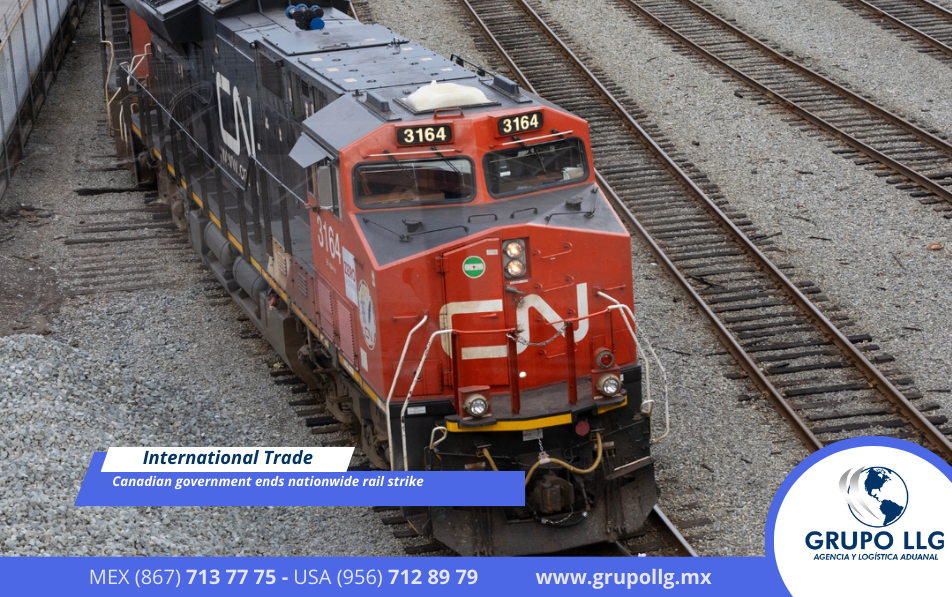
The Canadian government on Thursday rushed to end an unprecedented rail strike on the same day it began, announcing it would send the matter to binding arbitration.
Canada’s two major railroads had blocked more than 9,000 unionized workers from going to work, triggering a simultaneous rail strike that business groups say could inflict hundreds of millions of dollars in economic damage.
Labor Minister Steven MacKinnon told reporters he was acting “to ensure the immediate resumption of operations of these two rail companies.”
The companies – Canadian National Railway (CN) CNR.TO and Canadian Pacific Kansas City (CPKC) CP.TO – and the union blamed each other for the strike after multiple rounds of contract negotiations failed to yield a new agreement.
“Throughout this process, CN and CPKC have shown themselves willing to jeopardize rail safety and tear families apart to earn one more dollar,” said Teamsters Canadian Railway Conference (TCRC) president Paul Boucher, adding that the sides were still negotiating.
The two railroads said in separate statements that they were negotiating in good faith and had made multiple offers for improved wages and working conditions.
Disruptions were widespread during the strike
Tens of thousands of people who rely on commuter rail lines to the cities of Toronto, Vancouver and Montreal have also been affected by the closures, as all train traffic on these CPKC-owned lines has been halted.
The Moody’s rating agency said Wednesday that the rail strike could cost more than C$341 million a day.
Canada is the world’s second-largest country and relies heavily on rail transport, which moves C$380 billion (US$277 billion) worth of goods annually. The strike halted the transport of grain, potash and coal, as well as petroleum products, chemicals and automobiles.
El Gobierno canadiense pone fin al paro ferroviario nacional (eleconomista.com.mx)