



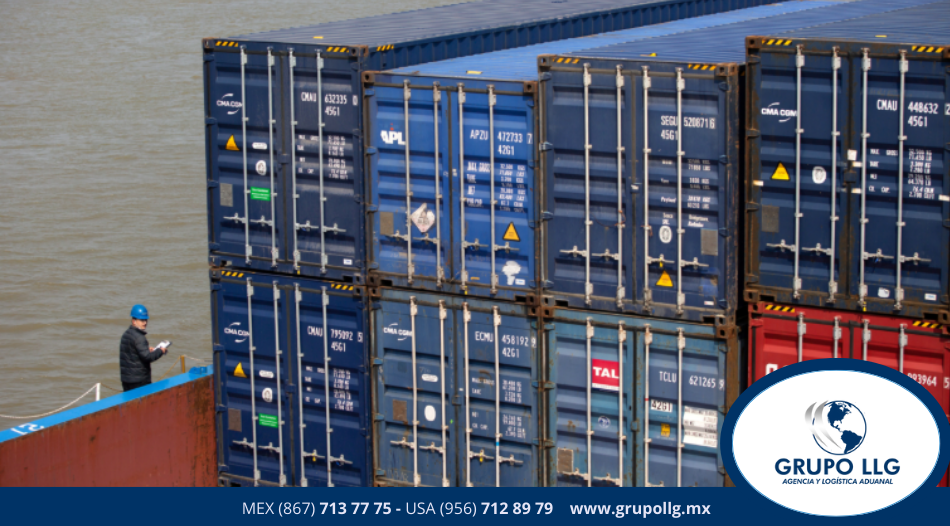
The Chinese government announced Wednesday that it will impose a cumulative 84% retaliatory tariff on all products originating in the United States, escalating the trade war between the two nations.
The rate is part of a new 50% tariff that will go into effect this Thursday, plus a 34% tariff already levied by Chinese customs.
Background: The retaliation comes in response to the implementation, starting Wednesday, of an additional 104% cumulative tariff on all Chinese imports into the United States, not including other tariffs on specific sectors or products during the current and previous two administrations.
China’s Ministry of Finance announced it will impose a 50% tariff on all U.S. merchandise imports, an immediate response to Donald Trump’s recent presidential order to impose an additional 50% tariff on Chinese goods as part of his “reciprocal tariffs” policy.
“The US practice of escalating tariffs on China is one mistake upon another, seriously infringing on China’s legitimate rights and interests,” the Ministry of Finance said in a statement.
Meanwhile, China became the first country on Tuesday to file a complaint with the World Trade Organization (WTO) regarding Trump’s universal tariffs.
While China’s Ministry of Finance called Trump’s latest tariff on Chinese goods “adding insult to injury,” U.S. Treasury Secretary Scott Bessent, speaking on Fox Business, called China’s retaliation “unfortunate.”
“If the United States insists on further escalating its economic and trade restrictions, China has the firm will and abundant means to take necessary countermeasures and fight to the bitter end,” the Ministry of Finance added in the statement.
In his view, history and facts have shown that increasing tariffs by the United States will not solve its own problems.
“Instead, it will trigger sharp fluctuations in financial markets, increase inflationary pressure in the United States, weaken the US industrial base, and increase the risk of an economic recession in the United States, which will ultimately only backfire,” the Ministry of Finance warned.
The Chinese government also questioned the United States’ failure to fulfill its commitments under a bilateral trade agreement signed during Trump’s first term, stating that neither side would pressure the other to transfer technology.
But he argued that a US law would ban TikTok in the United States unless it is sold.
Last week, Trump signed an order extending TikTok’s operations for another 75 days. This came after a potential deal to sell the app to American entrepreneurs was put on hold. Furthermore, ByteDance representatives contacted the White House and indicated that China would not approve the deal for now. They explained that negotiations on trade and tariffs must first take place.
Finally, the Ministry of Finance emphasized that China has a deficit in its services trade with the United States.
China announces 84% cumulative retaliatory tariff against the United States